
or text us at (901) 657-5171
Best Wood for Memphis Fences: What Actually Holds Up in Humidity & Soft Soil
Local Handyman Mid-South
December 6, 2025
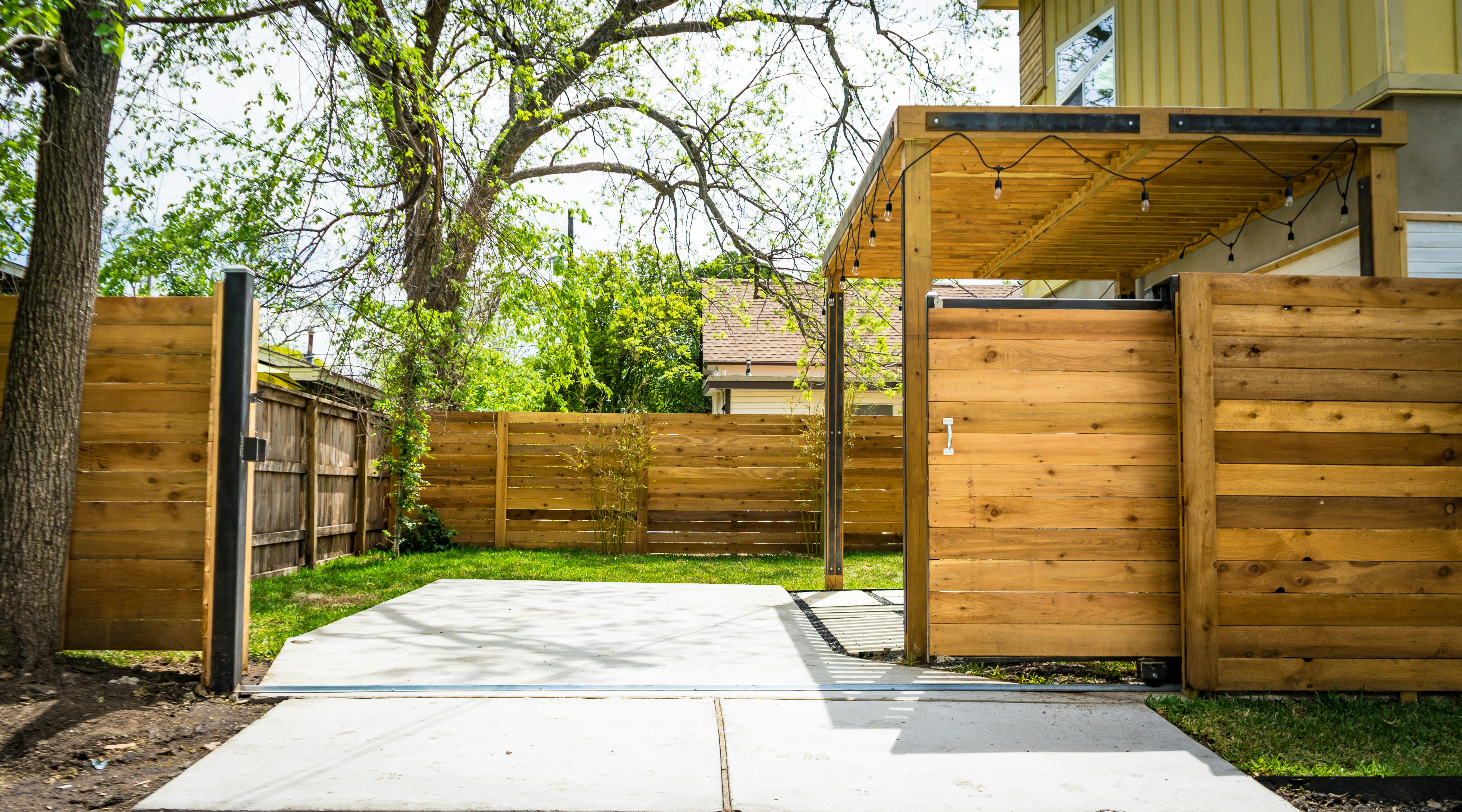
At Local Handyman Mid-South, we’ve learned the hard way which fence materials survive Memphis humidity and shifting loess soil—and which ones fail early. Not all “pressure-treated” lumber behaves the same here.
Memphis fences sit in loess soil that drains unevenly, so posts stay damp longer at the base, which is where most failures start. Add our long humid seasons and sudden storm soakings, and woods that look fine on day one can twist, split, or rot within a few years. We’ve seen untreated pine cup badly after the first summer, while lower-grade treated lumber softens around fasteners once moisture cycles repeat. Cedar performs better above ground but still needs protection where it meets soil, especially after heavy rains compact the earth around posts. We usually guide homeowners toward ground-contact rated treated pine for posts and either cedar or higher-grade treated boards for panels, sourced locally so the lumber is acclimated to Memphis conditions before install.
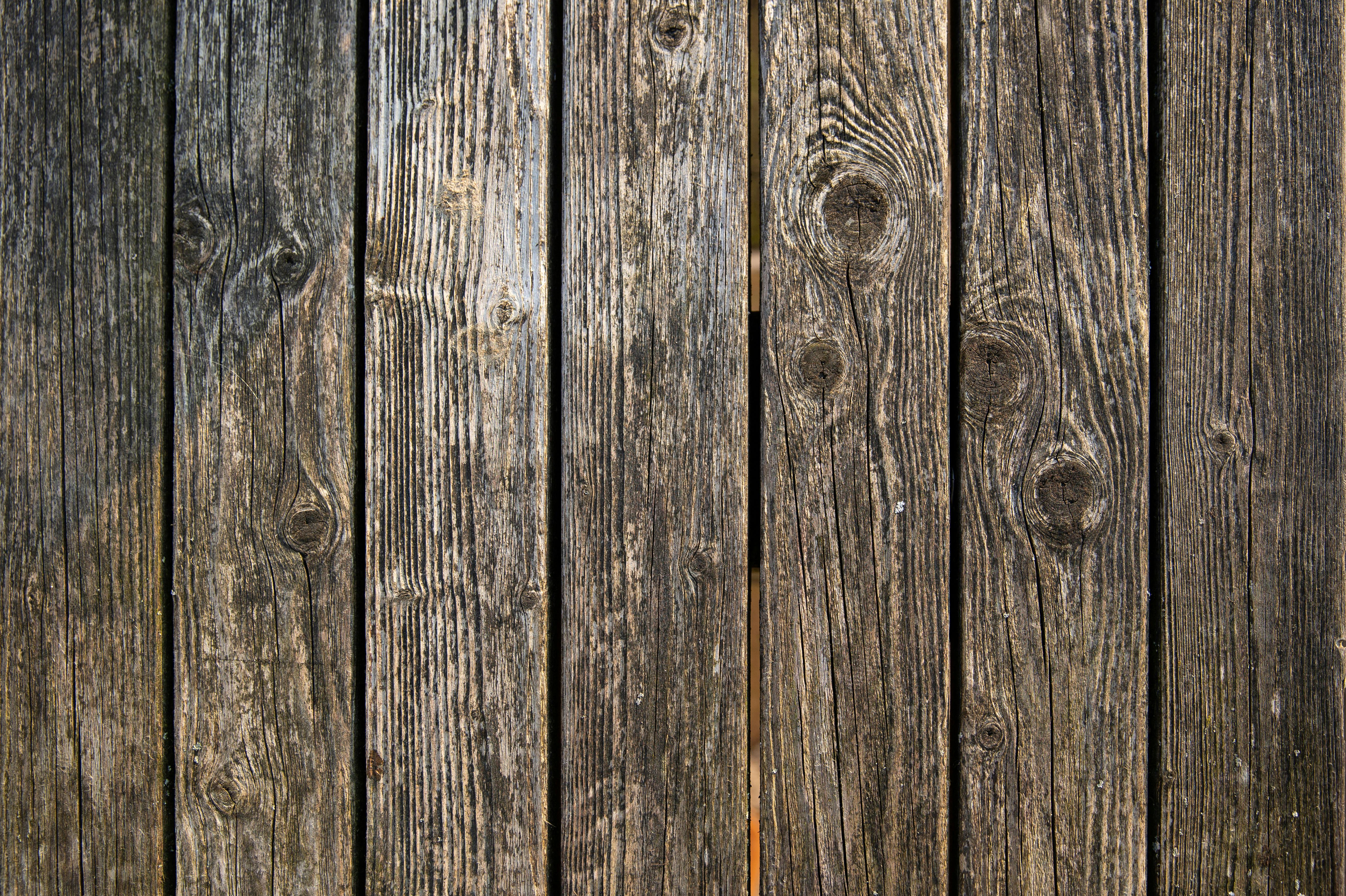
Fence Wood Comparison (Memphis Conditions)
| Wood Type | How It Performs in Memphis |
|---|---|
| Ground-contact treated pine | Best for posts in loess soil |
| Standard treated pine | OK for rails, weaker at grade |
| Cedar | Resists rot, moves with humidity |
| Spruce/Fir | Warps quickly in humidity |
| Composite panels | Stable, higher upfront cost |
| Untreated pine | Short lifespan outdoors |
The prices provided are intended as general guidance only, as every job is different and actual costs may vary. We recommend obtaining a detailed estimate—ideally from multiple professionals—before setting your project budget. For accurate pricing, please reach out to us and we’ll create a custom estimate for your project.
In Memphis, fence longevity comes down to how the wood handles moisture at ground level and repeated wet–dry cycles. Picking the right combination saves a lot of leaning sections and early replacements. That’s the kind of material decision our team at Local Handyman Mid-South helps homeowners sort through every week across Memphis.
Best Wood for Memphis Fences — FAQs
What is the best wood for fence posts in Memphis?
Ground-contact rated pressure-treated pine performs best because it resists rot where loess soil holds moisture around the base.
Is cedar a good choice for Memphis fences?
Yes for panels and pickets, but cedar should still be protected at ground contact since Memphis humidity keeps soil damp longer.
Why do fences rot faster at the bottom in Memphis?
Loess soil drains unevenly and stays wet after storms, trapping moisture against posts and lower boards.
How long should a properly built fence last in Memphis?
With correct materials and installation, most fences last 12–20 years, depending on exposure and maintenance.
Does composite fencing work well in Memphis weather?
Composite handles humidity and soil movement very well, though it costs more upfront than wood.
What mistakes shorten fence life in Memphis?
Using non-ground-contact lumber for posts, shallow post depth, and installing wet lumber that hasn’t acclimated locally.
Related Guides You Might Find Helpful
Common failure points when the wrong wood meets Memphis soil.
What moisture does to exterior wood over time.
Memphis Storm Damage Repair Guide
How storms accelerate fence wear and failure.


© copyright 2025 All Rights Reserved. Privacy | Terms and Conditions