
or text us at (901) 657-5171
Project: Rotted Deck Repair in Memphis
Local Handyman Mid-South
January 14, 2025
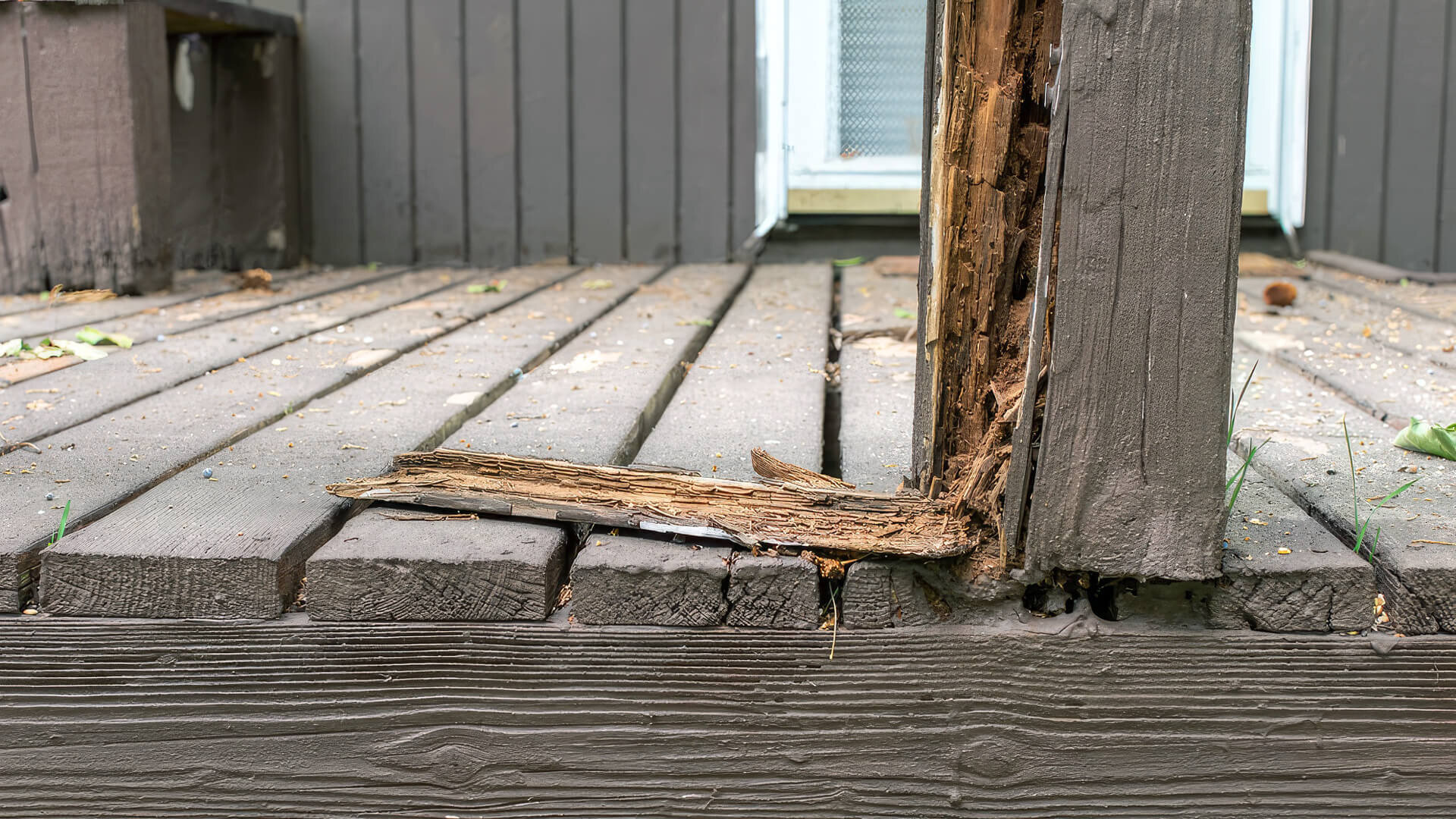
At Local Handyman Mid-South, we repaired a rotted residential deck in Memphis where moisture, shade, and soil-retained dampness caused structural decay that wasn’t obvious from the surface.
The Situation (Before)
The homeowner noticed the deck felt soft in a few spots but assumed it was normal aging. From above, the boards looked weathered but intact. Underneath, however, several joists and the ledger-adjacent boards were compromised from long-term moisture exposure. The home sits over loess soil that holds moisture after rain, and heavy shade prevented the deck from fully drying between storms.
What Caused the Problem
This wasn’t sudden failure — it was cumulative damage. Memphis humidity kept the deck boards damp for extended periods, while splashback and trapped moisture near grade fed fungal rot from below. Fasteners corroded, the wood fibers broke down, and weight transfer shifted to fewer healthy members. These conditions are common in shaded Memphis yards where decks sit low and airflow is limited.
What We Did
Our team at Local Handyman Mid-South removed affected boards and isolated the rot to prevent it from spreading. Compromised joist sections were reinforced or replaced using ground-contact-rated treated lumber suited for Memphis moisture conditions. We corrected drainage and airflow issues underneath the deck, reset fasteners, and replaced surface boards with properly acclimated material before sealing.
The Result (After)
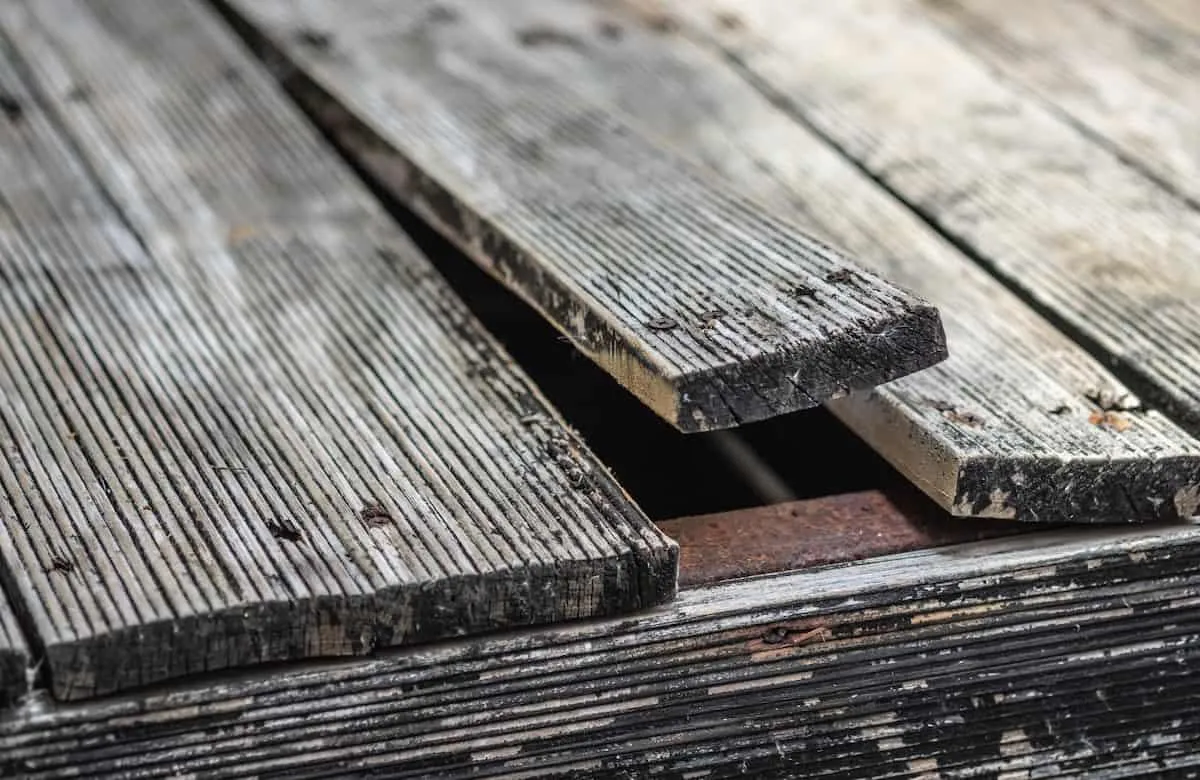
The deck regained full structural integrity without a full rebuild. Soft spots were eliminated, load distribution was restored, and the surface now sheds water instead of trapping it. Most importantly, the underlying moisture conditions were corrected so the repair would last through future Memphis wet–dry cycles.
Why This Matters in Memphis
Deck rot here usually starts from below, not above. High humidity, shaded yards, and moisture-holding soil create conditions where damage stays hidden until it becomes a safety issue. Catching and correcting the cause — not just swapping boards — is what prevents repeat failure.
Rotted Deck Repair — FAQs
How can you tell if a deck is rotting underneath?
Soft spots, slight bounce, or fasteners pulling loose often indicate sub-surface rot even if boards look fine.
Is deck rot common in Memphis?
Yes. Humidity, shade, and soil moisture make Memphis decks especially prone to hidden decay.
Does rot always require a full deck replacement?
No. If caught early, targeted structural repairs can restore safety without rebuilding the entire deck.
Why does rot usually start near the ground?
Moisture lingers longer near grade, especially over loess soil that holds water after rain.
How does Local Handyman Mid-South approach deck rot differently?
We identify why moisture is staying trapped and correct that condition so repairs hold up long-term in Memphis weather.
Related Guides You Might Find Helpful
Proper sealing slows moisture absorption that leads to rot.
Explains how rot spreads in exterior structures.
Moisture migration often starts near grade.


© copyright 2025 All Rights Reserved. Privacy | Terms and Conditions