
or text us at (901) 657-5171
Should You Re-Caulk Exterior Windows Yourself in Memphis? What Usually Fails
Local Handyman Mid-South
January 31, 2025
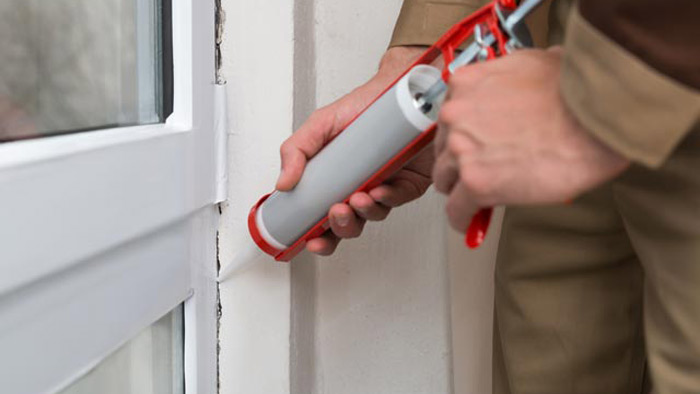
At Local Handyman Mid-South, we see a lot of Memphis homeowners re-caulk windows themselves—and then call later when leaks, rot, or peeling paint keep coming back. Sometimes DIY works. Often, it misses the real problem.
Why Re-Caulking Windows Is a Popular DIY Job
Exterior caulking looks simple. You see cracks, gaps, or peeling sealant around the window trim, grab a tube of caulk, and seal it back up. In Memphis, this usually happens in spring or after heavy rain when moisture shows up inside.
For small, isolated gaps, re-caulking can help. The trouble is that many window leaks here aren’t caused by missing caulk alone.
Why Windows Leak Differently in Memphis
Memphis homes deal with long humid seasons, frequent rain, and soil that holds moisture near foundations. As framing and trim absorb moisture, they expand slightly. When things dry out, they shrink back. That movement stresses rigid caulk lines over and over again.
If the window opening itself is moving or holding moisture, fresh caulk becomes a temporary patch instead of a fix.
What DIY Re-Caulking Actually Needs to Accomplish
Proper window caulking isn’t about filling visible gaps—it’s about controlling water paths. That means:
Removing failed caulk completely (not caulking over it)
Letting wet surfaces fully dry
Using a sealant rated for exterior movement
Leaving proper weep paths where required
Avoiding sealing areas that should drain
Most DIY attempts only address the first visible crack.
Where DIY Window Caulking Commonly Goes Wrong
This is what we see most often at Local Handyman Mid-South:
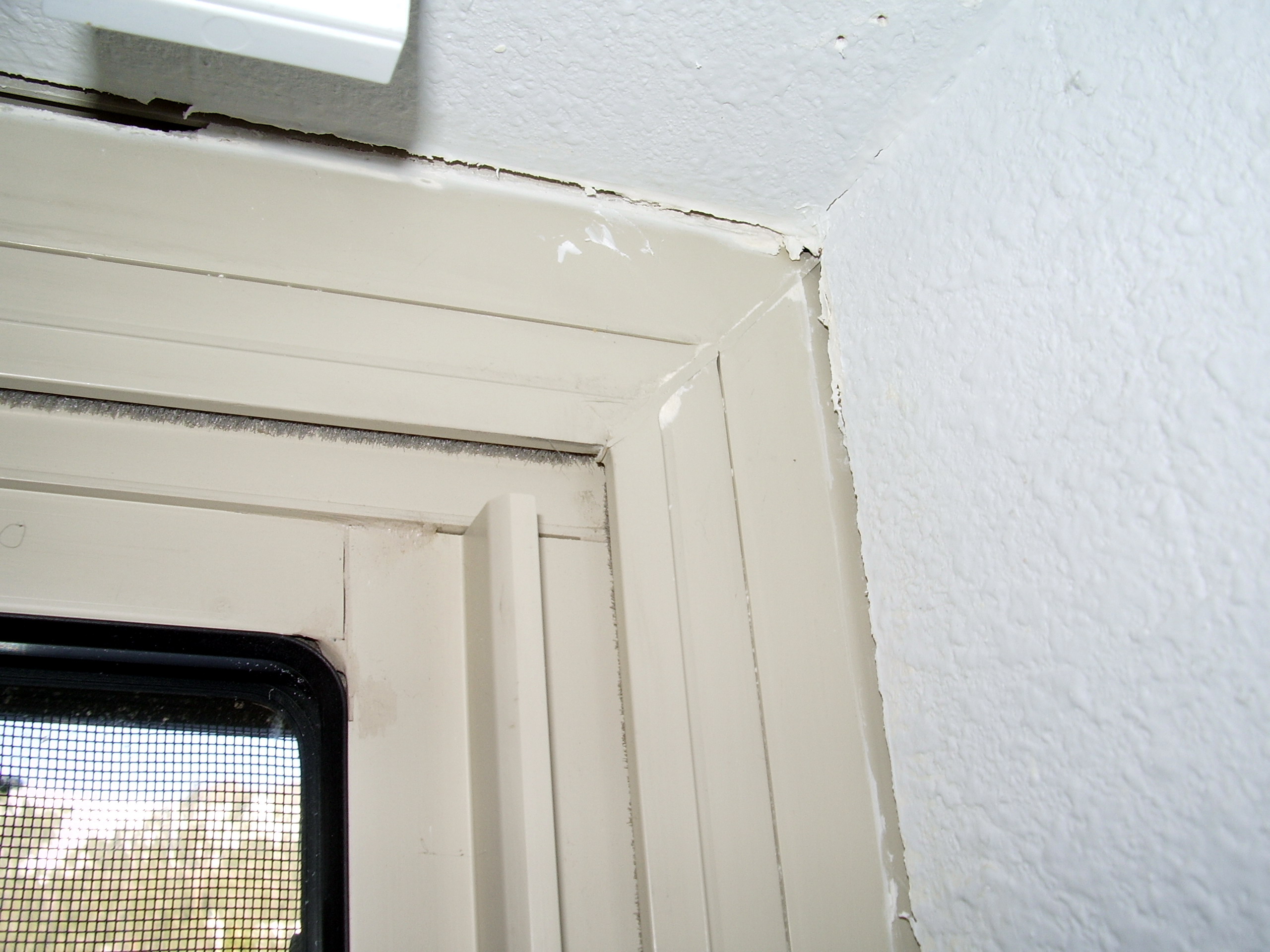
New caulk applied over old, failing material
Trim sealed tight where water needs an exit
Caulk used to hide soft or rotted wood
Interior leaks caused by exterior moisture paths
Re-caulking repeated every year with no improvement
In Memphis, trapping moisture is worse than leaving a small gap.
When DIY Re-Caulking Is Usually Fine
DIY exterior caulking can make sense when:
The gap is small and localized
Trim and siding are solid and dry
There’s no history of interior leaks
The window hasn’t shifted out of square
You’re using exterior-grade, flexible sealant
If those conditions are met, a careful re-caulk may last.
When It’s Not Worth Doing Yourself
It’s usually time to stop DIY when:
Paint keeps peeling around the window
Caulk fails again within a season
You see soft wood or staining
Water shows up inside after rain
The window frame feels loose
At that point, caulk isn’t the problem—it’s just where the problem shows up.
What Pros Look For That DIY Misses
When we assess window caulking, we’re watching:
How water sheds above and below the window
Whether trim is holding moisture behind it
If the opening has shifted due to soil movement
Whether flashing or wrap is directing water correctly
Re-caulking without understanding those paths just resets the clock.
Safety and Access Reality
Second-story windows, uneven ground, and soft soil make ladder work risky in Memphis yards. If ladder placement doesn’t feel stable, that’s a sign the job may not be worth DIYing.
What “Done Right” Looks Like
A properly sealed window sheds water, dries quickly after rain, and doesn’t rely on caulk as the only line of defense. When that’s in place, interior leaks, rot, and recurring paint failure usually stop.
DIY Window Caulking in Memphis — FAQs
How long should exterior window caulk last?
Quality exterior caulk should last several years when applied correctly to a stable opening.
Why does new caulk fail so fast in Memphis?
Humidity, movement, and trapped moisture break down rigid or poorly applied sealant.
Can caulk stop all window leaks?
No. If flashing, trim, or framing is compromised, caulk alone won’t solve it.
Do gutter guards eliminate cleaning?
Not always. Some windows need drainage paths left open.
Is silicone or paintable caulk better?
It depends on location. Flexibility and exterior rating matter more than brand.
How does Local Handyman Mid-South approach window sealing differently?
We focus on water movement and drying paths, not just closing visible gaps.
Related Guides You Might Find Helpful
Why Walls Crack After Rain in Memphis
Movement around window openings often shows up as cracks nearby.
Summer Humidity Damage in Memphis Homes
Persistent moisture is what breaks down sealants and trim.
Project: Wood Rot Repair in Memphis
Many rot repairs start with failed window sealing.


© copyright 2025 All Rights Reserved. Privacy | Terms and Conditions