
or text us at (901) 657-5171
Loose Stair Handrails in Memphis: Can You Fix It Yourself or Is the Wall the Problem?
Local Handyman Mid-South
February 01, 2025
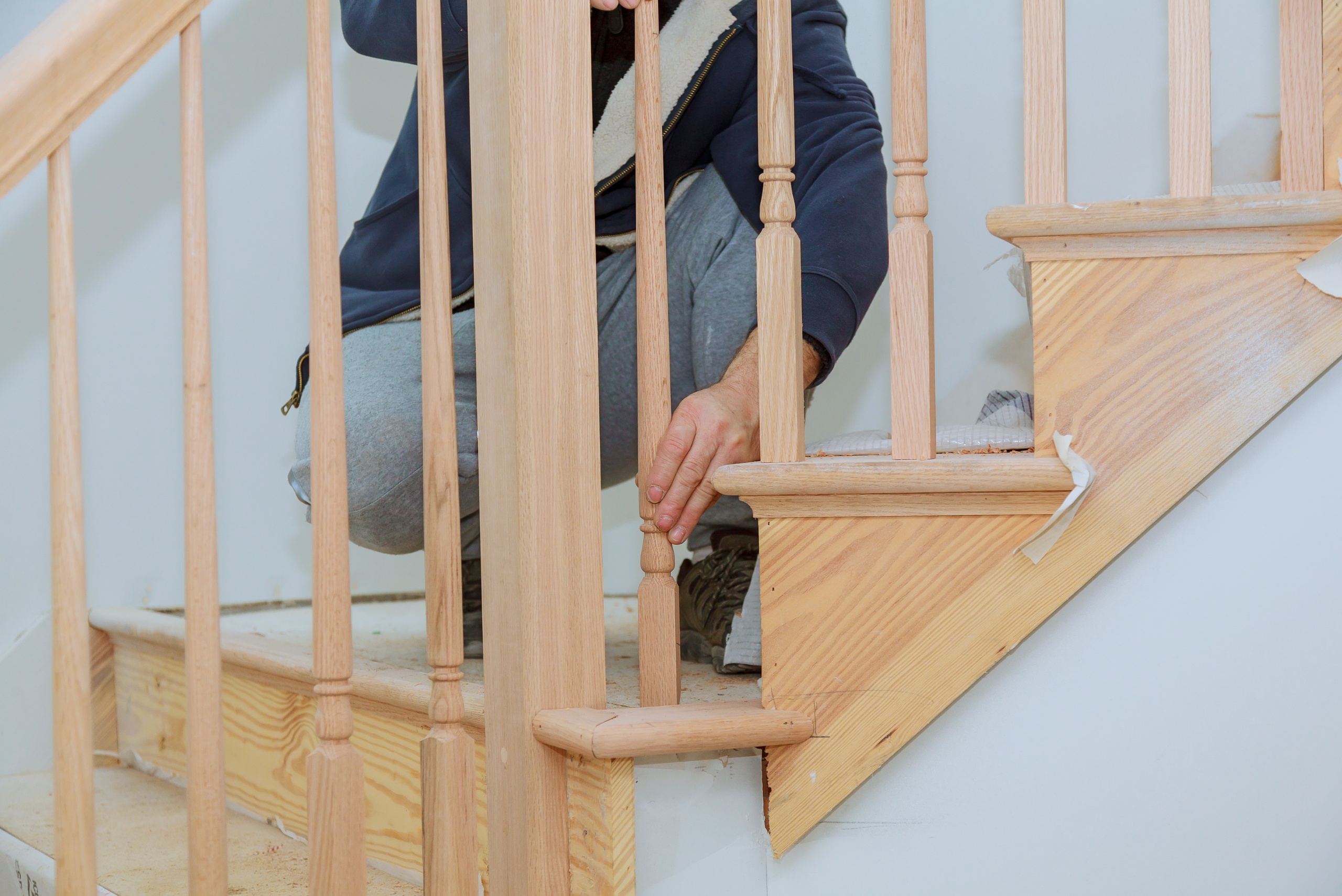
At Local Handyman Mid-South, loose stair handrails are a common Memphis issue, and the fix depends less on the railing itself and more on what’s happening inside the wall.
Why Stair Handrails Come Loose
Most stair handrails don’t fail suddenly. They start with a little movement, then a noticeable wobble, and eventually pull away from the wall. In Memphis homes, this usually happens because repeated use combines with subtle wall movement from humidity and seasonal soil response.
The handrail isn’t weak — the anchoring point usually is.
Why This Happens More in Memphis Homes
Memphis humidity softens drywall and framing over time, especially along stairwells where airflow is limited. Add long-term vibration from foot traffic and occasional framing movement after wet weather, and fasteners slowly lose their grip. In older homes, handrails are often mounted into drywall or shallow blocking that was never meant to handle decades of load.
That’s why tightening screws often works… briefly.
What DIY Fixes Can Actually Work
Some loose handrails can be fixed with basic DIY effort when:
The handrail was originally anchored into solid framing
The wall surface is still firm
Movement is minor and localized
The fasteners haven’t stripped the wood underneath
In these cases, resetting hardware into solid backing can restore stability.
Where DIY Handrail Fixes Usually Fail
This is what we see most often at Local Handyman Mid-South:
Screws tightened into crushed drywall
Anchors used where framing should exist
Larger screws installed into already-damaged holes
Brackets reattached without correcting wall damage
Railings that feel solid for a few weeks, then loosen again
Once the wall material is compromised, tightening alone won’t hold.
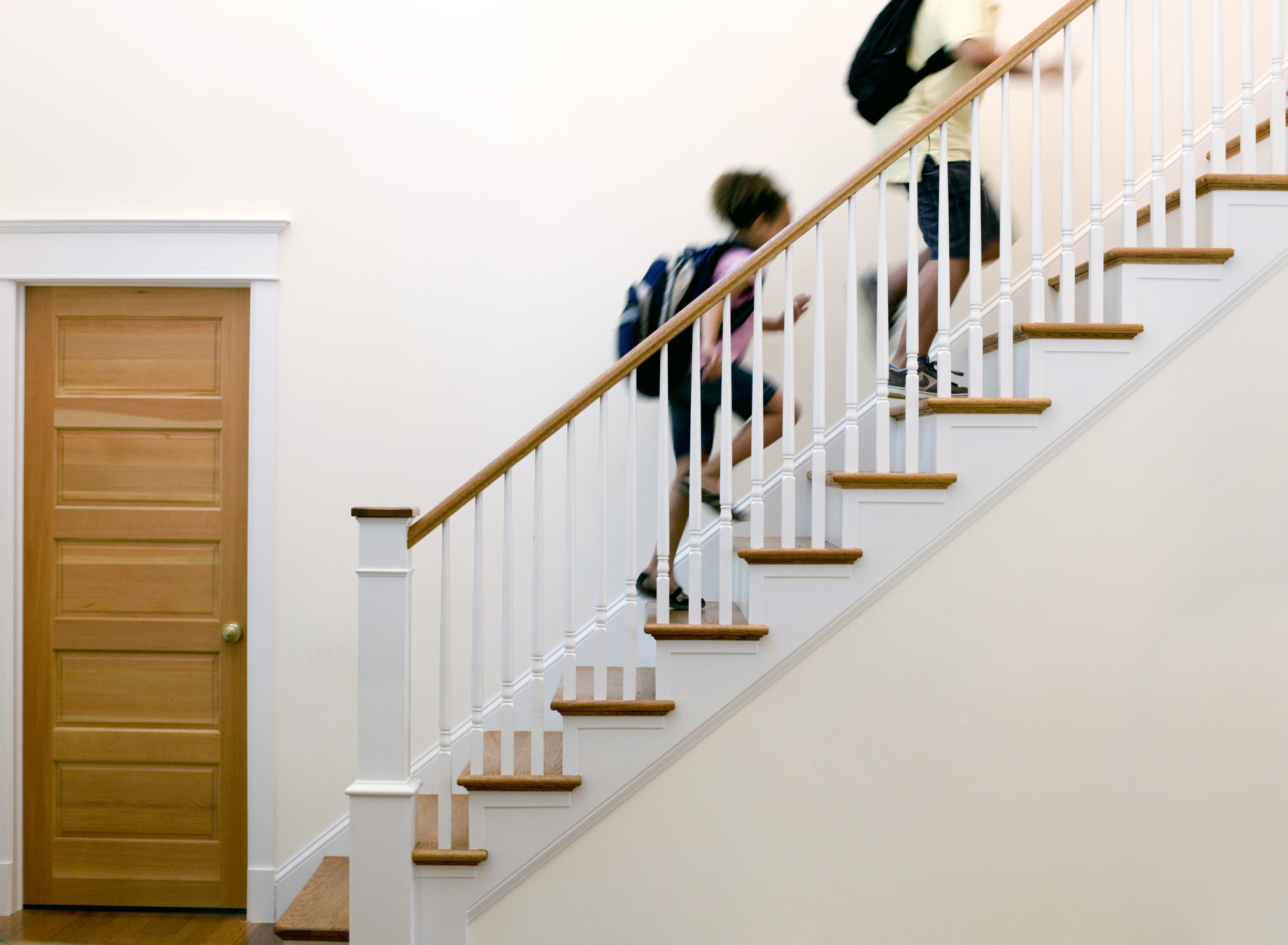
How to Tell If the Wall Is the Real Problem
A handrail usually isn’t the issue if:
The rail moves independently of the wall
The drywall flexes when pressure is applied
Cracks appear around brackets
Multiple brackets feel loose at once
The problem worsens after humid periods
These are signs the anchoring surface has failed, not the hardware.
When DIY Is Reasonable
DIY repair may be worth attempting when:
You can clearly locate solid framing
The wall surface isn’t damaged
Only one bracket is loose
The rail hasn’t pulled away repeatedly
If those conditions aren’t present, DIY fixes tend to be temporary.
What Pros Do Differently
When we repair loose handrails, we focus on:
Restoring solid anchoring points
Adding or relocating blocking where needed
Distributing load across multiple secure fasteners
Repairing wall damage before reattachment
A handrail is a safety component — it needs structure behind it, not just screws holding tension.
Safety Reality Check
Loose stair handrails aren’t cosmetic issues. They’re fall risks. If the rail moves under body weight, that’s not something to “keep an eye on.” In multi-story Memphis homes, this is one repair that shouldn’t be delayed.
What a Proper Repair Feels Like
A correctly repaired handrail feels rigid, doesn’t flex when leaned on, and stays solid through humidity changes and daily use. When the anchoring is right, the problem doesn’t creep back.
Loose Stair Handrails in Memphis — FAQs
Why does my stair handrail keep coming loose?
Because the wall material or framing behind it has lost holding strength.
Can I just use bigger screws or anchors?
Bigger hardware doesn’t fix damaged backing and often makes the problem worse.
Is this more common in older Memphis homes?
Yes. Older stairwells often lack proper blocking for modern load expectations.
Is a loose handrail a safety issue?
Absolutely. Handrails are meant to support body weight during a fall.
Why does it feel worse during humid months?
Humidity softens materials and increases movement in wall assemblies.
How does Local Handyman Mid-South handle handrail repairs differently?
We secure the rail to structure, not drywall, so the fix holds long-term.
Related Guides You Might Find Helpful
Why Walls Crack After Rain in Memphis
Wall movement and handrail loosening often share the same root cause.
Handyman for Older Memphis Homes
Older framing and wall construction often lack proper handrail backing.
What to Fix First After a Memphis Storm
Interior safety items like handrails are often overlooked after weather events.


© copyright 2025 All Rights Reserved. Privacy | Terms and Conditions