
or text us at (901) 657-5171
Sagging Cabinet Doors in Memphis: What You Can Adjust Yourself (And What You Can’t)
Local Handyman Mid-South
February 02, 2025
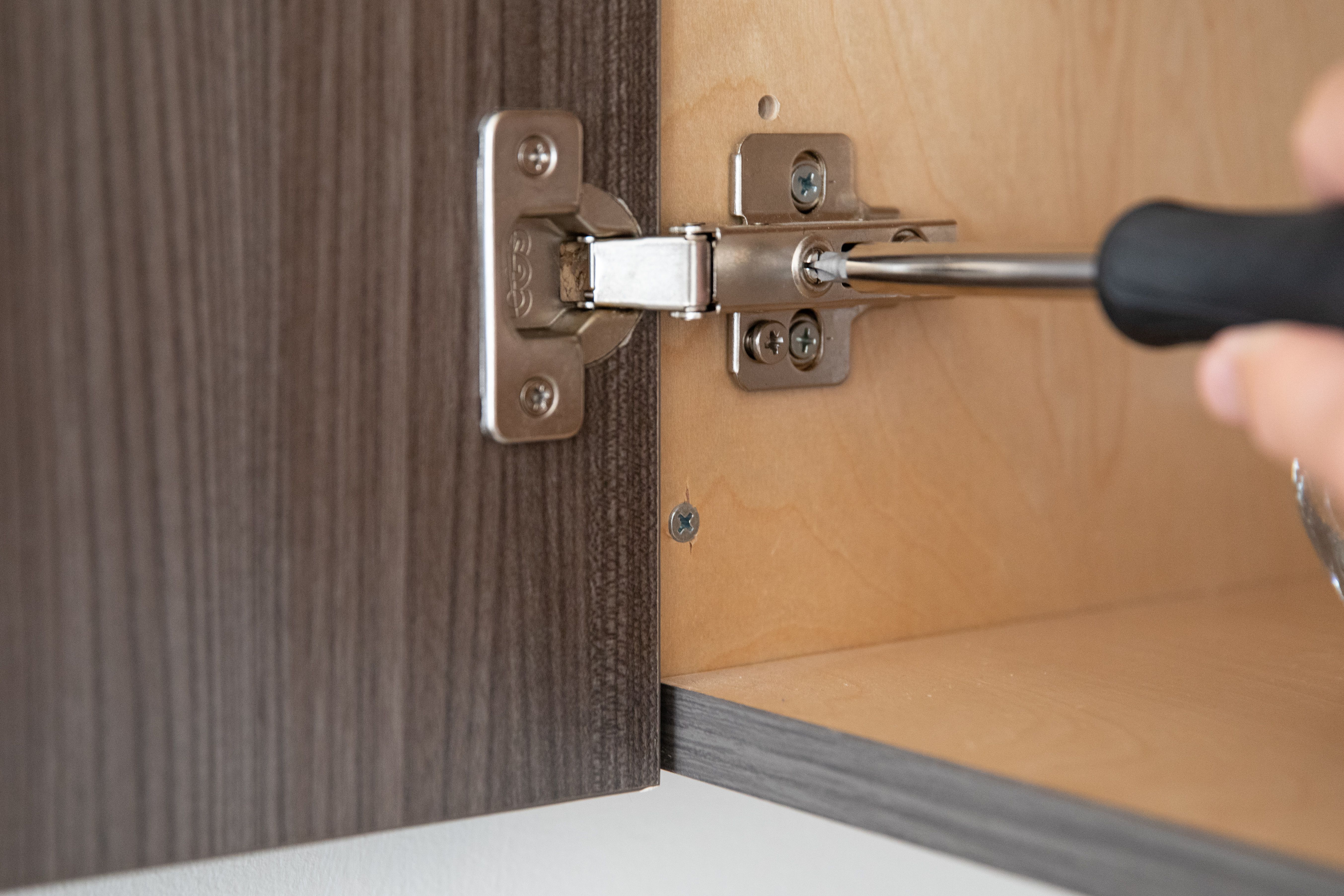
At Local Handyman Mid-South, sagging cabinet doors are a common Memphis issue, and while some adjustments are simple, others point to problems behind the hinges that DIY fixes won’t hold.
Why Cabinet Doors Start Sagging
Cabinet doors usually don’t fail suddenly. They start with a slight tilt, then begin rubbing, hitting each other, or refusing to close cleanly. In Memphis homes, this often happens after years of humidity exposure combined with daily use. Hinges loosen, screws lose bite, and cabinet boxes slowly shift out of square.
The door is rarely the real problem.
Why This Happens More in Memphis Kitchens
Memphis humidity causes cabinet materials to expand and contract repeatedly, especially in kitchens where moisture and temperature change constantly. Over time, that movement works screws loose and stresses particleboard or MDF cabinet boxes. Once the hinge mounting points soften, doors start to sag no matter how many times they’re adjusted.
That’s why cabinet doors often behave worse in summer.
What DIY Cabinet Door Adjustments Can Actually Fix
Some sagging issues are genuinely DIY-friendly:
Minor hinge alignment issues
Doors slightly out of level
Hinges that have loosened but still have solid backing
Cabinets that are otherwise square and stable
Modern hinges allow for small alignment corrections that can restore proper closure when the structure is still sound.
Where DIY Fixes Usually Fail
This is what we see most often at Local Handyman Mid-South:
Adjusting hinges when screws are stripped underneath
Tightening hardware into soft cabinet material
Re-adjusting doors that sag again within weeks
Fixing one door when the whole cabinet run is shifting
Ignoring cabinet boxes pulling away from the wall
When the mounting surface is compromised, adjustments don’t last.
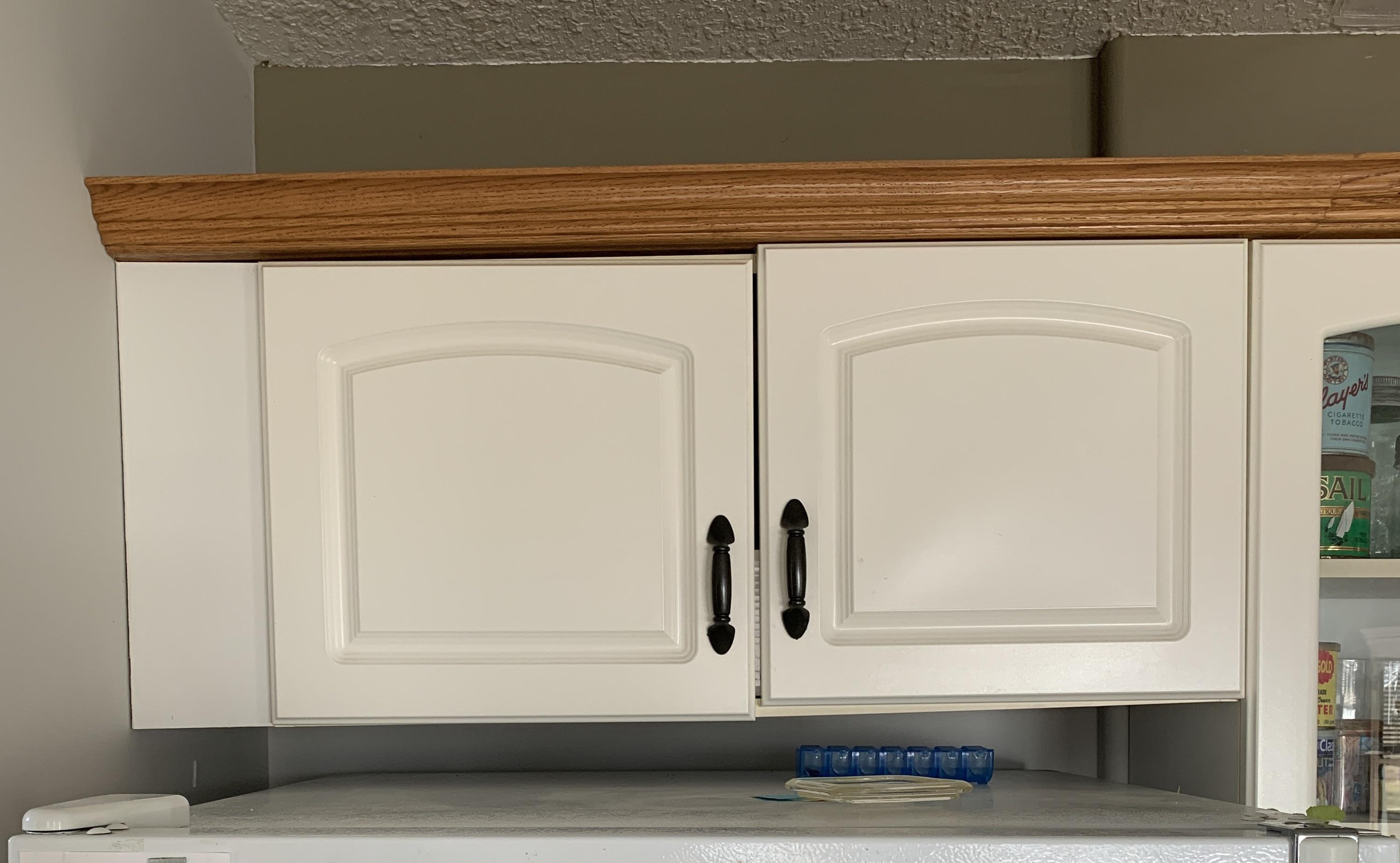
Signs the Cabinet Box Is the Real Issue
DIY adjustments usually won’t hold if:
Screws spin without tightening
The cabinet side flexes when the door moves
Multiple doors in the same run sag together
Gaps change with temperature or humidity
The cabinet box is separating from the wall
These are structural support problems, not hinge problems.
When DIY Is Worth Trying
DIY adjustment may be reasonable when:
The sag is minor
Screws tighten firmly
The cabinet box feels solid
The issue appeared recently
Only one door is affected
If those conditions line up, careful adjustment can restore alignment.
What Pros Do Differently
When we correct sagging cabinets, we focus on:
Restoring solid hinge anchoring
Reinforcing cabinet boxes where needed
Re-securing cabinets to wall studs\
Re-aligning doors only after structure is stable
Adjusting hinges without stabilizing the cabinet is why doors keep drifting.
Safety and Practical Reality
Sagging cabinet doors aren’t just annoying. Heavy doors can stress hinges, crack cabinet boxes, or pull cabinets loose from the wall over time. In kitchens with upper cabinets, this becomes a safety concern.
What “Fixed Right” Looks Like
Cabinet doors close evenly, stay aligned through humidity changes, and don’t need constant tweaking. When the cabinet box is stable, hinge adjustments finally hold.
Sagging Cabinet Doors in Memphis — FAQs
Why do my cabinet doors keep going out of alignment?
Because the hinge mounting points or cabinet box are losing strength.
Can I just keep adjusting the hinges?
Only if the screws and cabinet material are still solid.
Why is this worse in summer?
Humidity causes cabinet materials to swell and loosen fasteners.
Do older cabinets sag more often?
Yes. Older materials and repeated moisture cycles accelerate wear.
Is this a sign cabinets are pulling off the wall?
Sometimes. Multiple sagging doors can indicate cabinet movement.
How does Local Handyman Mid-South approach cabinet door issues?
We stabilize the cabinet structure first so adjustments don’t keep failing.
Related Guides You Might Find Helpful
Summer Humidity Damage in Memphis Homes
Explains how humidity affects wood products and fasteners indoors.
Handyman for Older Memphis Homes
Older cabinets often lack proper wall anchoring.
Cabinet and interior door issues often share the same movement causes.


© copyright 2025 All Rights Reserved. Privacy | Terms and Conditions