
or text us at (901) 657-5171
Why Interior Doors Stick in Memphis (And What You Can Fix Yourself)
Local Handyman Mid-South
January 31, 2025
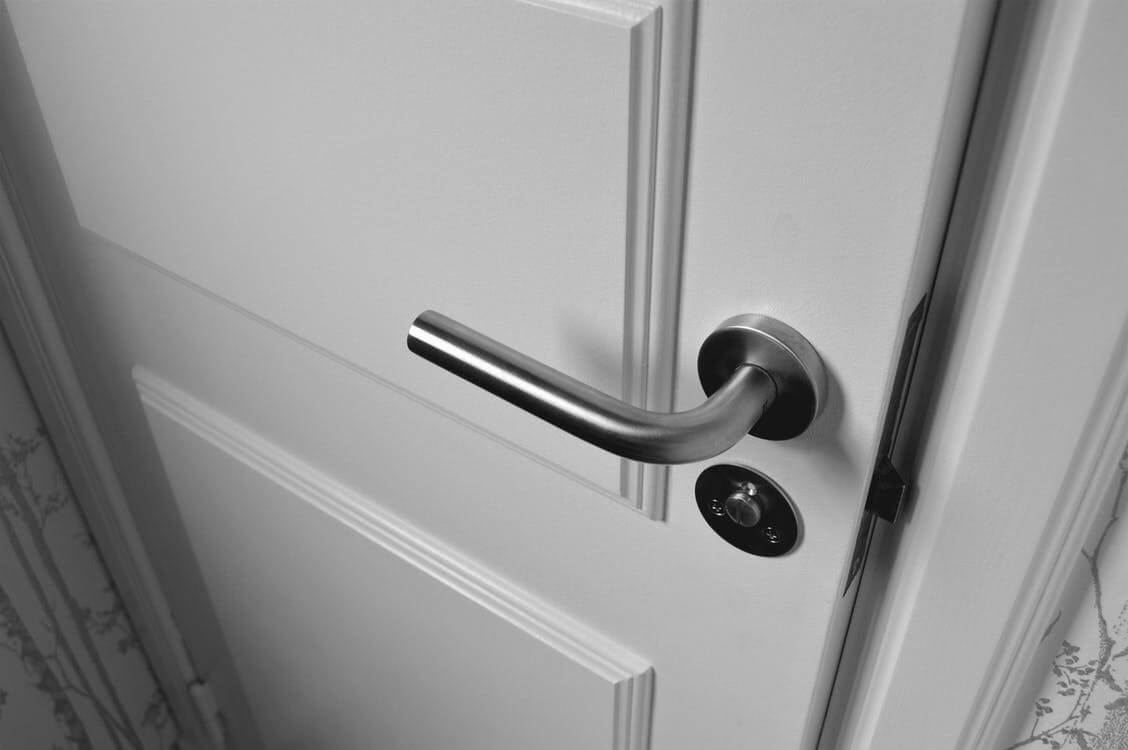
At Local Handyman Mid-South, sticking interior doors are one of the most common calls we get in Memphis—because humidity and soil movement change clearances in ways doors can’t hide.
Why Doors Suddenly Start Sticking
Most interior doors don’t fail overnight. They work fine for years, then start rubbing at the top corner, dragging along the floor, or refusing to latch after a stretch of rain. In Memphis, that timing isn’t a coincidence. Moisture loads the framing, the house shifts slightly, and tight tolerances show it first.
Doors are usually the messenger, not the problem.
Why This Happens More in Memphis Homes
Memphis homes sit on loess soil that absorbs water quickly and releases it slowly. After rain, the ground beneath the house moves just enough to affect door openings. Add high humidity, and wood components swell instead of snapping back. Interior doors don’t have much room for error, so even small changes cause friction.
That’s why doors often stick after storms, not during them.
What DIY Door Adjustment Can Actually Fix
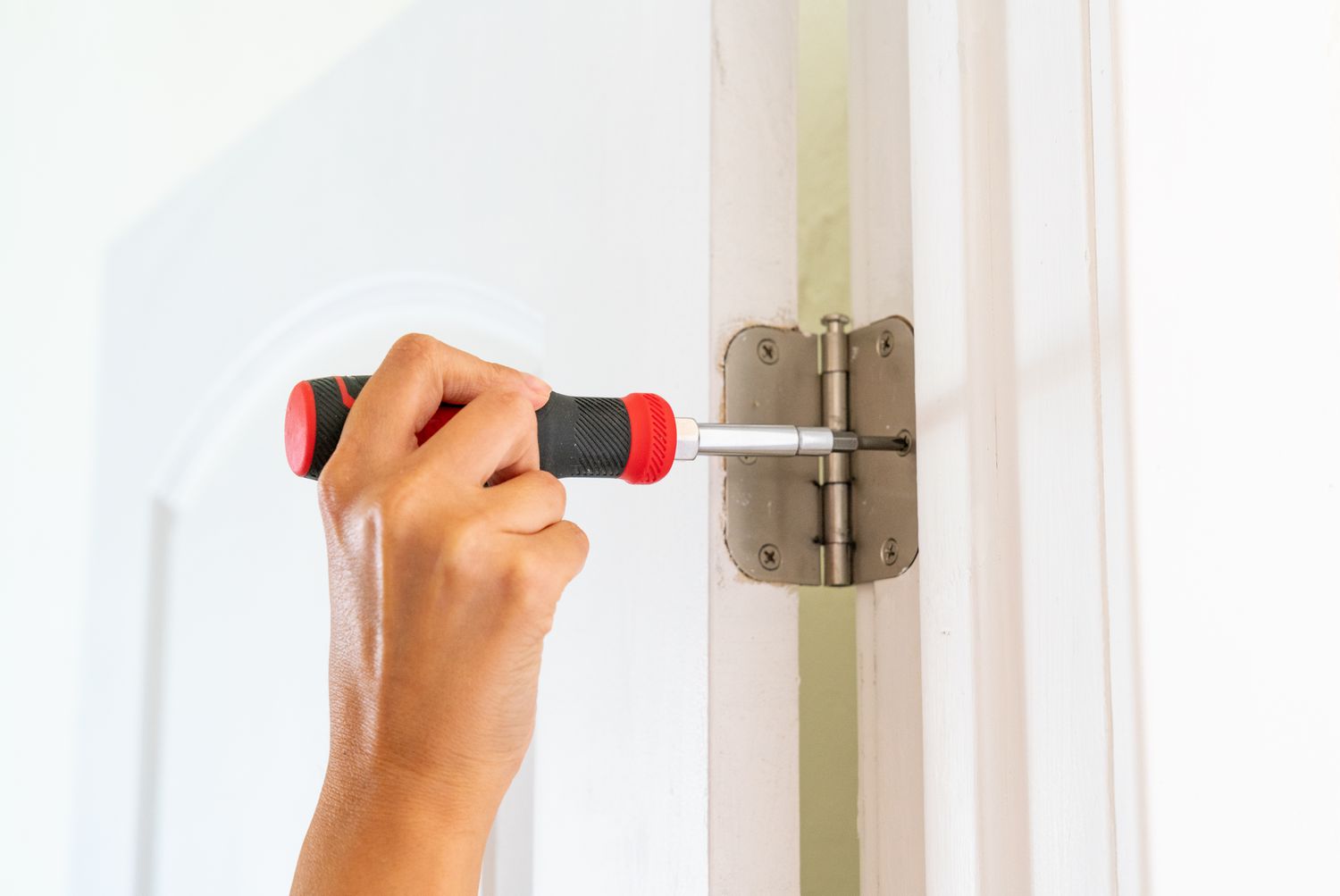
Some door issues really are minor and DIY-friendly:
Loose hinge screws
Slight hinge compression
Minor latch alignment drift
Seasonal rubbing that comes and goes
In these cases, tightening hardware or making small hinge adjustments can restore clearance.
Where DIY Door Fixes Usually Fall Short
This is where we see repeat problems at Local Handyman Mid-South:
Sanding or planing the door without addressing movement
Adjusting the latch when the frame is out of square
Over-tightening hinges to “force” alignment
Shaving doors that only stick during humid weather
Fixing one door when several show the same pattern
In Memphis, removing material is often permanent—but the movement is seasonal.
When DIY Is Reasonable
DIY adjustment may be worth trying when:
The door only sticks slightly
The issue appeared recently
Hinges are visibly loose
The problem improves during dry weather
No cracks or trim separation are nearby
If those conditions line up, small adjustments can help.
When It’s Not Worth Chasing Yourself
It’s usually time to stop DIY when:
The door sticks year-round
Multiple doors are affected
Cracks appear near door corners
The latch misses even after adjustment
The door frame looks twisted or separated
At that point, the issue isn’t the door—it’s the opening.
What Pros Look At That DIY Misses
When we adjust doors, we’re checking:
Frame alignment relative to the floor
Hinge-side vs latch-side movement
Signs of settlement or soil response
Whether the fix will survive the next humid cycle
That’s why some doors get adjusted once and others keep needing attention.
Safety and Reality Check
Aggressive sanding, cutting, or planing can permanently damage doors that only need clearance management. Once material is removed, it can’t be put back when conditions change.
What “Fixed Right” Looks Like
A properly adjusted door swings freely, latches without force, and behaves the same in dry and humid weather. When that happens, the door stops being the symptom.
Sticking Doors in Memphis — FAQs
Why do my doors stick after rain but not in winter?
Humidity and soil movement change clearances more in wet, warm conditions.
Should I sand a sticking door?
Only as a last resort. Many Memphis door issues are seasonal.
Why do multiple doors stick at once?
That usually points to house movement, not individual door failure.
Can hinges really cause sticking?
Yes. Loose or compressed hinges change door alignment quickly.
Will door problems keep coming back?
They can, unless movement patterns are addressed.
How does Local Handyman Mid-South approach door adjustments?
We focus on alignment and seasonal behavior, not just quick material removal.
Related Guides You Might Find Helpful
Why Walls Crack After Rain in Memphis
Door issues and wall cracks often share the same movement cause.
Handyman for Older Memphis Homes
Older framing reacts more noticeably to humidity changes.
What to Fix First After a Memphis Storm
Door misalignment is a common post-storm symptom.


© copyright 2025 All Rights Reserved. Privacy | Terms and Conditions