
or text us at (901) 657-5171
Can You Clean Gutters Yourself in Memphis? What Usually Goes Wrong
Local Handyman Mid-South
January 30, 2025
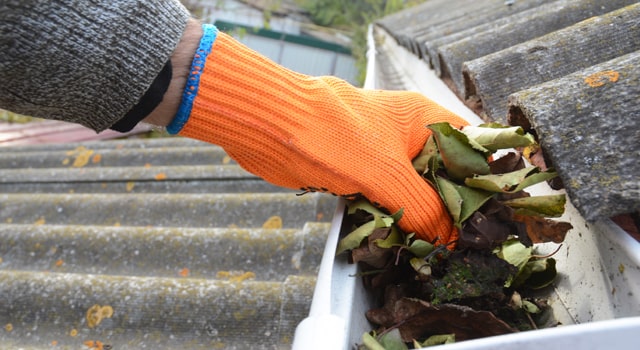
At Local Handyman Mid-South, we get asked this constantly—yes, many Memphis homeowners can clean their own gutters, but the problems usually start when water control issues are missed or safety gets underestimated.
Why People DIY Gutter Cleaning
Gutter cleaning feels straightforward. Leaves pile up, water overflows, you grab a ladder and clear it out. In Memphis, it’s especially tempting after storms when debris shows up fast and service schedules fill up. For single-story homes with easy access, basic cleaning can be manageable.
The issue is that gutters here don’t just clog — they redirect water in ways that quietly cause other problems.
Why Gutters Matter More in Memphis Than People Think
Memphis soil holds moisture longer after rain, so where water exits the gutter system matters a lot. When gutters overflow or downspouts back up, water gets dumped right next to the foundation. Over time, that feeds soil movement, fence post shifting, crawlspace moisture, and door alignment issues.
In other words, gutter problems rarely stay isolated.
What DIY Gutter Cleaning Actually Involves
Proper gutter cleaning isn’t just scooping leaves. It means:
Clearing the full length of the gutter
Checking for standing water or sagging sections
Making sure downspouts are flowing freely
Confirming water exits far enough from the house
Watching how water behaves during the next rain
Most DIY efforts stop after step one.
Where DIY Gutter Cleaning Commonly Fails
This is where we see problems start at Local Handyman Mid-South:
Downspouts stay blocked even after gutters look clean
Sections hold water because hangers have loosened
Overflow continues during heavy rain despite “clean” gutters
Water dumps at the foundation instead of being directed away
Safety gets overlooked, especially on uneven ground or wet ladders
In Memphis, one missed section can undo the whole effort.
When DIY Is Usually Fine
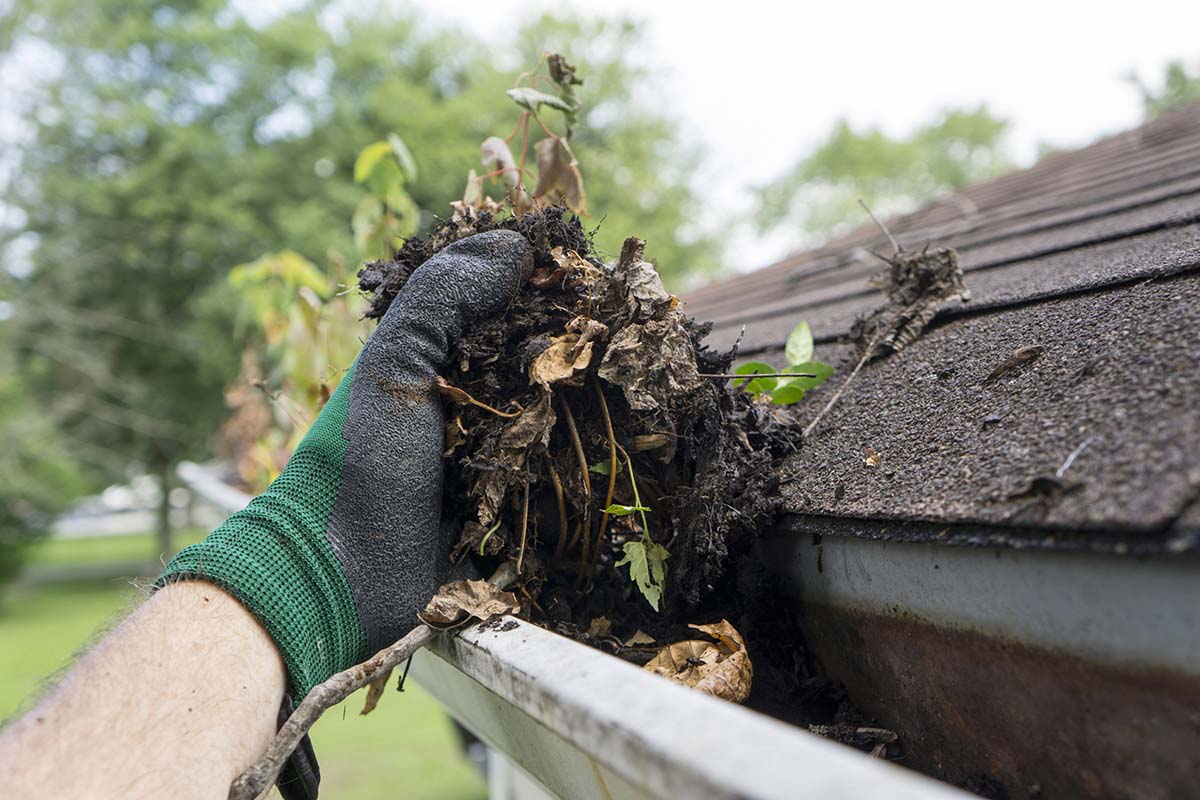
DIY gutter cleaning is generally reasonable when:
The home is single-story
The ladder can be placed on solid, level ground
Gutters are intact and properly sloped
Downspouts are short and accessible
You can safely observe water flow afterward
In Memphis, one missed section can undo the whole effort.
When It’s Not Worth Doing Yourself
It’s usually time to stop DIY when:
Gutters overflow even after cleaning
Downspouts back up underground
Sections pull away from the fascia
You see erosion near the foundation
The home is two stories or more
You’re cleaning the same clogs repeatedly
At that point, the issue isn’t debris — it’s system performance.
What Pros Look For That DIY Often Misses
When we handle gutters, we’re watching how the whole system behaves:
Is water exiting fast enough?
Are hangers spaced correctly?
Are slopes consistent?
Is runoff feeding known problem areas?
Cleaning without checking these things is why gutter problems keep coming back.
Safety Reality Check
Falls from ladders are one of the most common homeowner injuries. Wet ground, soft soil, and uneven yards make ladder placement especially risky in Memphis. If the setup doesn’t feel stable, that’s your answer.
What “Done Right” Looks Like
Clean gutters that drain fully, downspouts that move water away from the home, and no overflow during heavy rain. When that’s in place, related issues—like musty smells, fence movement, and door drift—tend to calm down.
DIY Gutter Cleaning in Memphis — FAQs
How often should gutters be cleaned in Memphis?
Usually twice a year, plus after major storms.
Why do my gutters overflow even when they look clean?
Downspout blockages, poor slope, or sagging sections are common causes.
Is gutter cleaning dangerous?
It can be, especially on uneven ground or multi-story homes.
Do gutter guards eliminate cleaning?
They reduce debris but don’t eliminate maintenance or flow issues.
Can clogged gutters cause foundation problems?
Yes. Poor drainage feeds soil saturation and movement.
How does Local Handyman Mid-South approach gutter issues differently?
We focus on water movement and exit paths, not just debris removal.
Related Guides You Might Find Helpful
Why Houses Smell Musty After Rain in Memphis
Poor drainage often feeds crawlspace moisture and odor issues.
Summer Humidity Damage in Memphis Homes
Overflowing gutters keep moisture around longer than it should.
What to Fix First After a Memphis Storm
Gutters are one of the first systems to check after heavy rain.


© copyright 2025 All Rights Reserved. Privacy | Terms and Conditions