
or text us at (901) 657-5171
Project: Fence Post Reset in Memphis
Local Handyman Mid-South
January 20, 2025
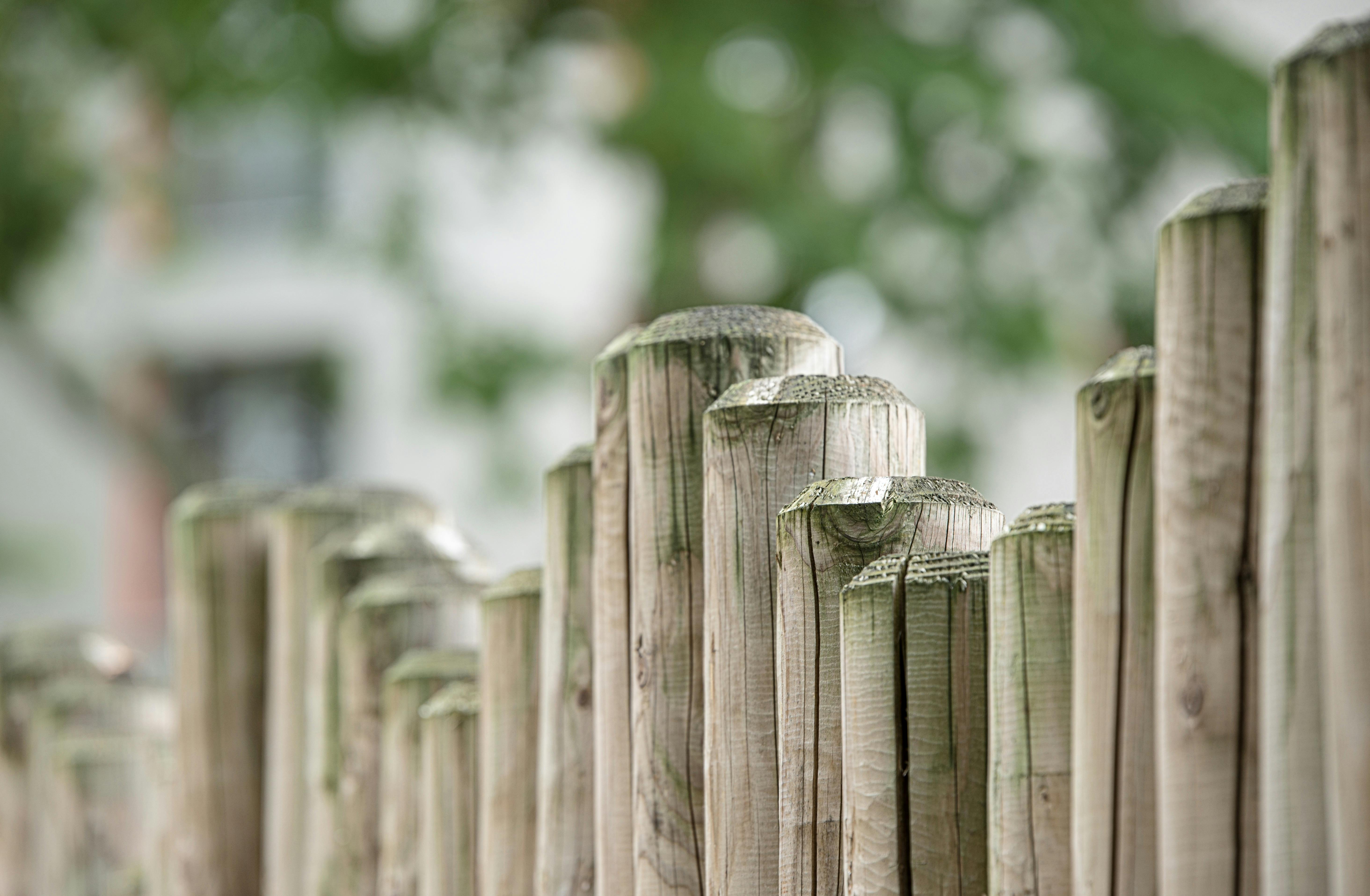
At Local Handyman Mid-South, we reset a leaning fence line in Memphis where saturated soil and post movement—not broken boards—were the real problem.
The Situation (Before)
The homeowner noticed the fence line had started to lean and the gate wouldn’t latch consistently. No boards were broken, and from a distance the fence still looked “okay,” but several posts had tilted after repeated storms. The yard sits over loess soil with poor hold when saturated, and the fence runs through an area that stays damp longer due to shade.
What Caused the Problem
This was a classic Memphis fence issue. Heavy rain softened the loess soil around the posts, reducing resistance at the base. Wind loads from storms pushed against the panels while the ground was at its weakest, allowing the posts to drift incrementally. Over time, the lean became noticeable even though the fence materials themselves were still in good condition.
What We Did
Our team at Local Handyman Mid-South removed the affected posts, corrected the hole depth and drainage, and reset them plumb using ground-contact-rated materials and proper concrete placement. We realigned the gate hardware once the posts were stable, ensuring the load was transferred evenly instead of pulling the fence back out of line.
The Result (After)
The fence line was restored to straight alignment, the gate closed cleanly, and lateral movement was eliminated. Because the underlying soil–post connection was corrected, the fence now resists future rain and wind cycles instead of slowly drifting again.
Why This Matters in Memphis
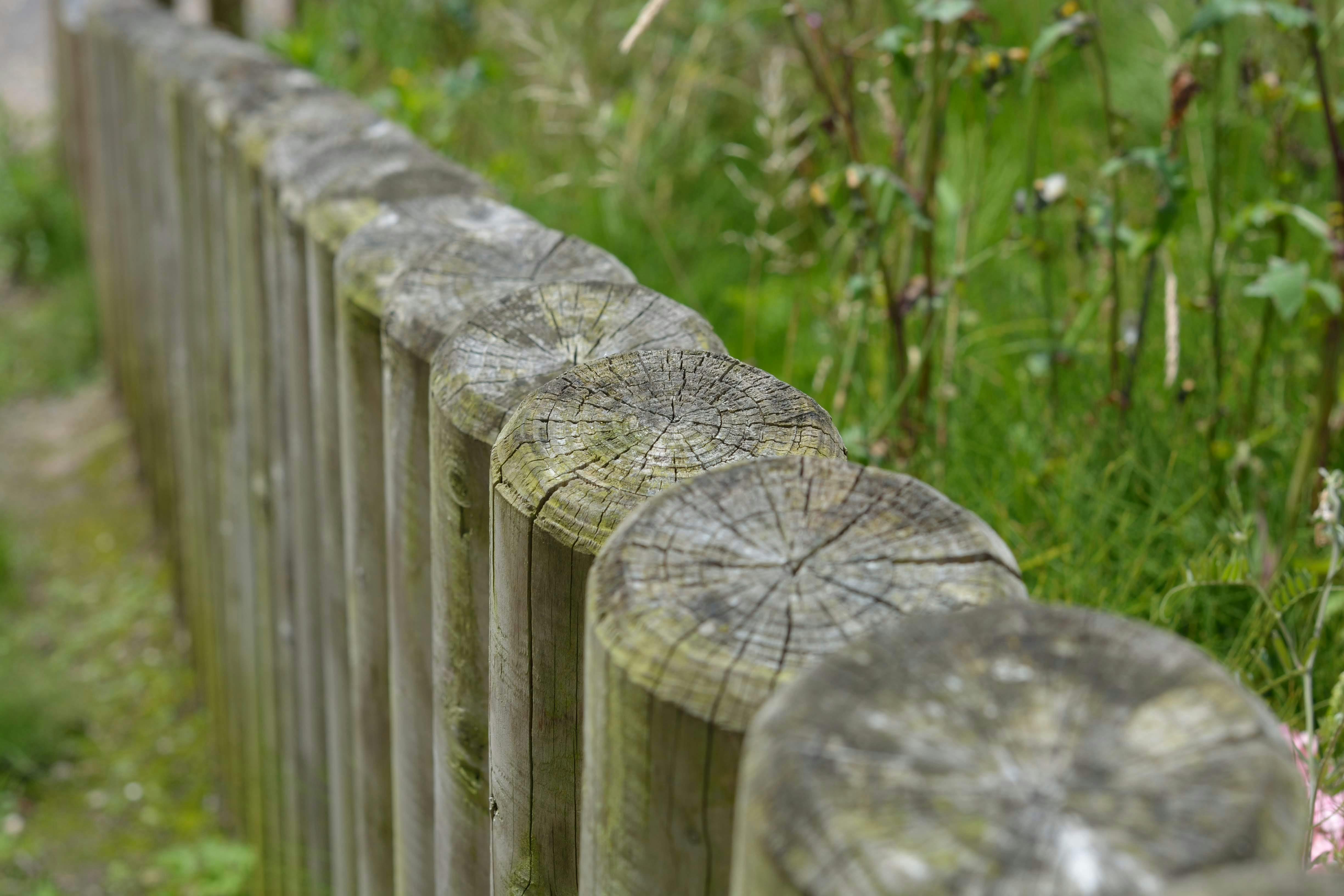
Most leaning fences here don’t fail because the fence is “old.” They fail because the soil loses holding power during wet periods. Resetting posts correctly—rather than bracing or replacing boards—prevents repeat failure in Memphis conditions.
Fence Post Reset — FAQs
Can a leaning fence be fixed without replacing it?
Yes. If boards are intact, resetting posts often restores the fence fully.
Why do fence posts move in Memphis soil?
Loess soil softens when wet and shrinks as it dries, reducing long-term holding strength.
Is concrete always enough to stop leaning?
Only if installed correctly with proper depth and drainage.
Do storms cause fences to lean all at once?
Usually no. Storms cause small shifts that add up over time.
Is it better to reset posts early?
Absolutely. Early correction prevents larger sections from drifting.
How does Local Handyman Mid-South approach fence post resets?
We focus on stabilizing the soil–post connection so the fix lasts through future storm cycles.
Related Guides You Might Find Helpful
Explains the soil and moisture mechanics behind this issue.
When post movement starts affecting panels and rails.
What to Fix First After a Memphis Storm
Helps prioritize exterior issues after heavy weather.


© copyright 2025 All Rights Reserved. Privacy | Terms and Conditions