
or text us at (901) 657-5171
Storm Door Installation in Memphis: Alignment That Holds Through Humidity
Local Handyman Mid-South
January 25, 2025
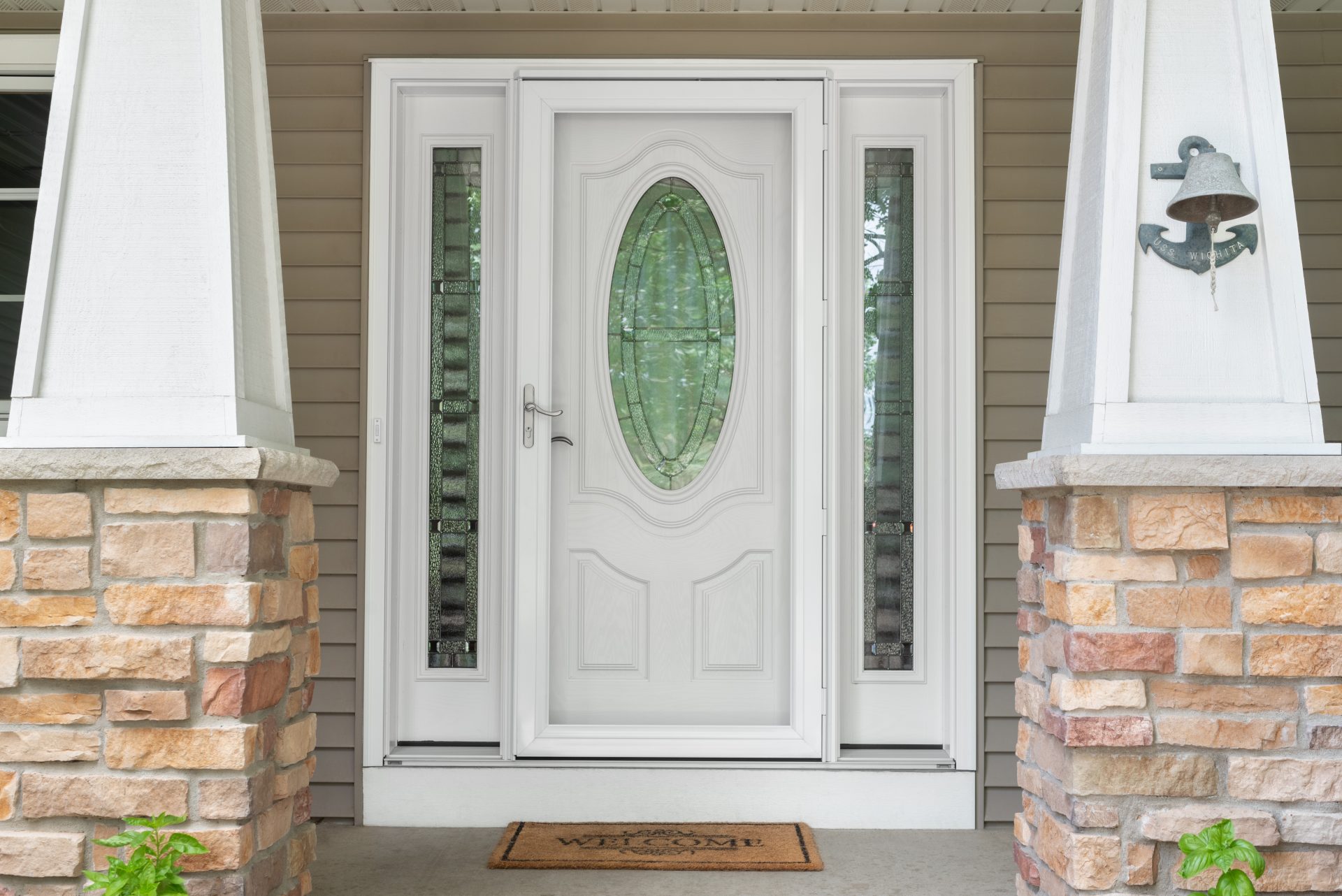
At Local Handyman Mid-South, we install storm doors in Memphis so they keep latching cleanly and don’t start rubbing once humidity and soil movement do what they always do here.
When Storm Door Installation Is Actually Needed
Storm doors usually get replaced because they bind, won’t latch, or start slamming shut. In Memphis, that’s rarely because the door itself is worn out. More often, the opening has drifted slightly after wet weather, and the door’s tight tolerances expose it. That’s why a door might work fine in dry weather and suddenly act up after rain.
Why Memphis Makes Storm Doors Tricky
High humidity swells wood trim, and loess soil allows subtle movement around exterior openings after storms. Storm doors don’t have much forgiveness, so even small changes in the frame show up immediately. If the opening isn’t squared and stabilized during installation, the door will tell on it later.
How We Prep the Opening
Before a door ever goes up, we check the opening itself:
Both diagonals to confirm squareness
Trim fastening and rigidity
Threshold condition and slope
Swing direction relative to wind exposure
Actual opening size, not the nominal door size
Most storm door problems start because installers hang the door on an opening that’s already out of tolerance.

How We Install Storm Doors So They Stay Put
This is the sequence our team at Local Handyman Mid-South follows:
Correct the Opening First
If the trim is out of square, we fix that before installing anything. Hanging a door on a crooked opening guarantees future binding.
Set the Hinge Side Plumb
The hinge rail is aligned and tested through a full swing before it’s fully fastened. Everything else depends on this step being right.
Align the Latch Side to the Door, Not the Trim
The latch rail follows the hinge alignment, not whatever the trim is doing. This is what keeps the door from popping open or missing the latch.
Install and Tune the Closer
Closers are adjusted to control speed without pulling the door out of alignment. Over-tight closers slowly twist frames over time.
Check Clearances Under Humid Conditions
We confirm the door latches cleanly with enough tolerance to handle Memphis humidity without rubbing later.
Problems We Prevent by Doing It This Way
Doors that only latch in dry weather
Frames slowly pulled out of square by tight closers
Bottom sweeps dragging after rain
Doors that bounce or pop back open
Repeat adjustments every season
When storm doors fail here, it’s almost always an installation tolerance issue, not bad hardware.
When Storm Door Work Exceeds Handyman Scope
Storm door installation typically stays within handyman work. It crosses the line only if the opening itself requires structural reframing or load-bearing modifications. Trim corrections and alignment work usually do not.
What a Correct Install Feels Like
The door opens smoothly, closes without slamming, latches every time, and behaves the same before and after storms. No rubbing, no popping, no seasonal surprises.
Storm Door Installation — FAQs
Why do storm doors stop latching after rain in Memphis?
Because saturated soil and humidity allow small frame shifts that tight-tolerance doors can’t hide.
Is the door usually the problem?
Rarely. Most issues trace back to the opening or how the door was aligned during install.
Do storm doors need seasonal adjustment?
A proper install minimizes this. Poor installs require constant tweaking.
Can an existing storm door be fixed without replacing it?
Often yes, if the frame and trim are still sound.
Does wind exposure matter in Memphis?
Yes. Wind-facing doors need careful closer tuning to avoid frame stress.
How does Local Handyman Mid-South make installs last?
By squaring the opening first and allowing for Memphis humidity and soil movement during setup.
Related Guides You Might Find Helpful
Storm doors usually reveal alignment and humidity issues before interior doors do
Project: Storm Door Repair in Memphis
A real-world example of how minor movement can cause major door issues.
What to Fix First After a Memphis Storm
Entry points are priority areas after wind and heavy rain.


© copyright 2025 All Rights Reserved. Privacy | Terms and Conditions