
or text us at (901) 657-5171
Toilet Flange Repair in Memphis: A Practical Guide to Stopping Leaks and Floor Damage
Local Handyman Mid-South
January 29, 2025
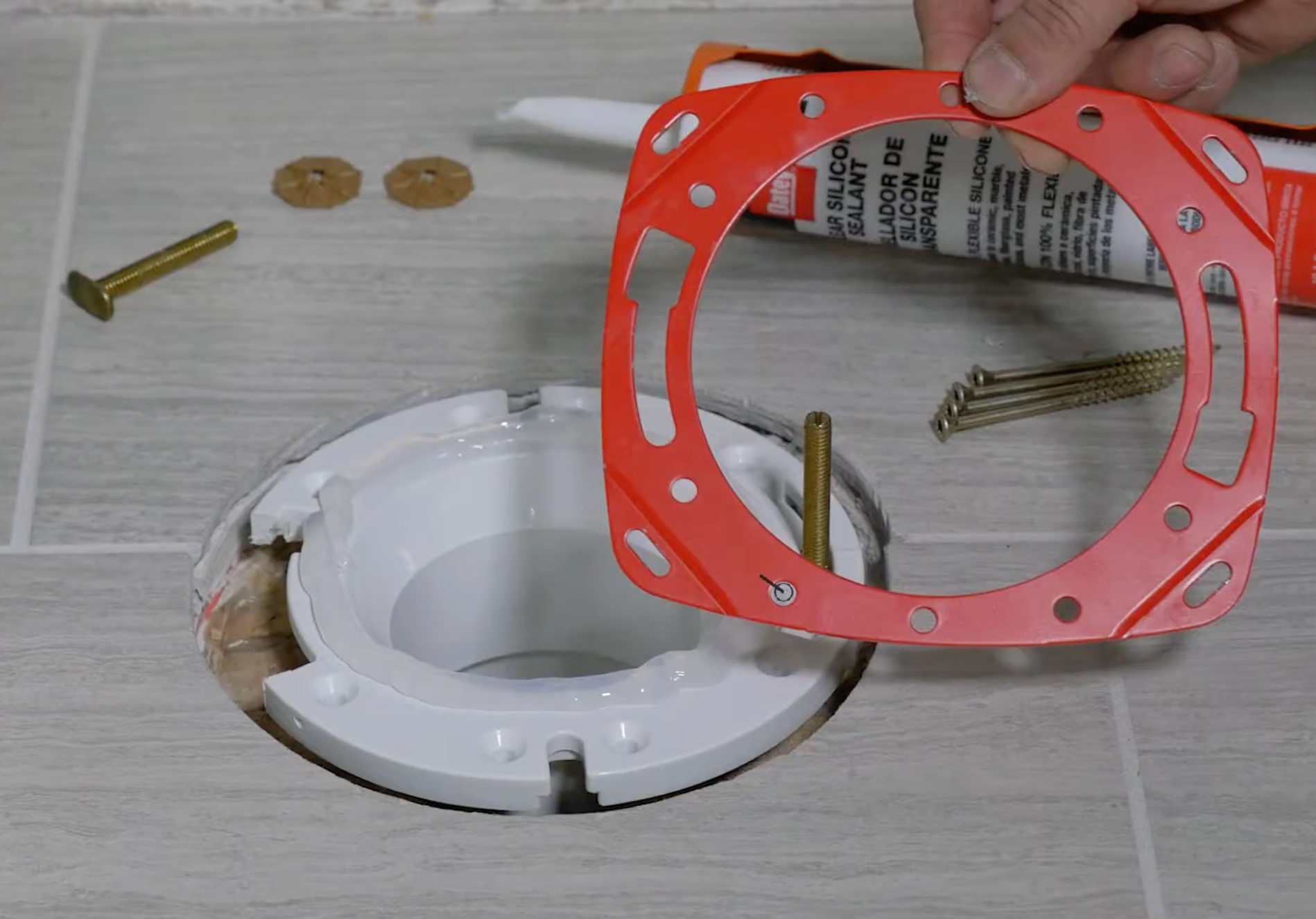
At Local Handyman Mid-South, toilet flange repair in Memphis is about fixing the connection between plumbing and structure before moisture turns a small leak into subfloor damage.
Why Toilet Flanges Fail in Memphis Homes
Toilet flanges don’t usually fail all at once. In Memphis, they fail slowly as moisture works its way into the floor system. Small wax seal leaks, high bathroom humidity, and occasional overflow events combine with loess soil movement beneath the home. Over time, that movement loosens fasteners, softens subflooring, and allows the flange to shift or sink.
By the time a toilet feels loose, damage is often already underway.
When Toilet Flange Repair Is the Right Solution
Flange repair is appropriate when:
The toilet rocks or shifts when sat on
The wax seal keeps failing
Water stains appear around the base
The flange is cracked, corroded, or sitting below finished floor height
Subfloor damage is limited and localized
If framing members or large sections of subfloor are compromised, repair alone may not be sufficient.
What Gets Assessed Before Any Repair
Before touching the flange, we evaluate:
Finished floor height relative to the flange
Subfloor condition around the opening
Fastener holding strength
Pipe material and flange type
Evidence of past moisture intrusion
Skipping this step is how flanges get “fixed” but continue leaking.
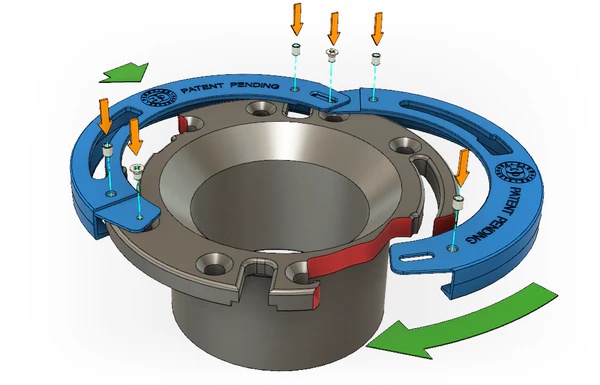
How Toilet Flange Repair Is Done So It Holds
Our approach at Local Handyman Mid-South focuses on restoring a solid, sealed connection.
Toilet Removal and Inspection
The toilet is removed so the flange and surrounding subfloor can be fully inspected. Hidden rot or compression is addressed before any repair work begins.
Subfloor Stabilization
If the subfloor has softened, it’s reinforced or patched so the flange has solid material to anchor into. Fastening into compromised wood guarantees repeat movement.
Flange Repair or Replacement
Depending on condition, the flange may be repaired with a reinforcement ring or replaced entirely. The goal is to bring the flange to proper height and secure it firmly to the floor structure.
Fastener Reset and Seal Preparation
New fasteners are installed into solid material, and the flange is prepared for a proper seal without stacking shortcuts or spacers.
Toilet Reset and Stability Check
The toilet is reset with even load distribution so it sits flat and doesn’t rock. Stability is checked before final sealing.
Where Toilet Flange Repairs Commonly Go Wrong
Most repeat failures happen because:
The flange isn’t secured to solid subfloor
Rot is covered instead of corrected
The flange sits too low after flooring changes
Improvised spacers replace proper repair
The toilet is tightened to compensate for movement
In Memphis, movement always comes back if the base isn’t solid.
Scope Considerations
Toilet flange repair typically falls within handyman scope when pipe modification isn’t required. If drain lines need relocation or structural plumbing changes are involved, licensed plumbing work may be required.
What a Proper Repair Achieves
A correctly repaired flange keeps the toilet stable, stops recurring leaks, and protects the floor system from moisture damage. The bathroom stays solid and predictable instead of slowly deteriorating around the base of the toilet.
Toilet Flange Repair in Memphis — FAQs
Why does my toilet keep rocking?
Loose flanges or softened subflooring are the most common causes.
Can a wax ring fix a flange problem?
No. Wax rings seal; they don’t stabilize movement.
Is flange damage common in older Memphis homes?
Yes. Older subfloors and repeated moisture exposure make flanges more vulnerable.
Can a flange be repaired without removing the toilet?
Yes, if the underlying framing is still sound and moisture issues are addressed.
Does floor type matter for flange height?
Yes. Flooring changes often leave flanges too low, leading to leaks.
How does Local Handyman Mid-South handle flange repairs differently?
We correct subfloor support first so the repair doesn’t rely on sealant or compression.
Related Guides You Might Find Helpful
Why Houses Smell Musty After Rain in Memphis
Hidden moisture around bathrooms often contributes to recurring odors.
Handyman for Older Memphis Homes
Older floor systems behave differently around plumbing penetrations.
What to Fix First After a Memphis Storm
Bathroom leaks are often discovered after heavy rain or ground movement.


© copyright 2025 All Rights Reserved. Privacy | Terms and Conditions