
or text us at (901) 657-5171
Fence Post Setting Guide for Memphis: Depth, Drainage, and Why Posts Lean
Local Handyman Mid-South
January 26, 2025
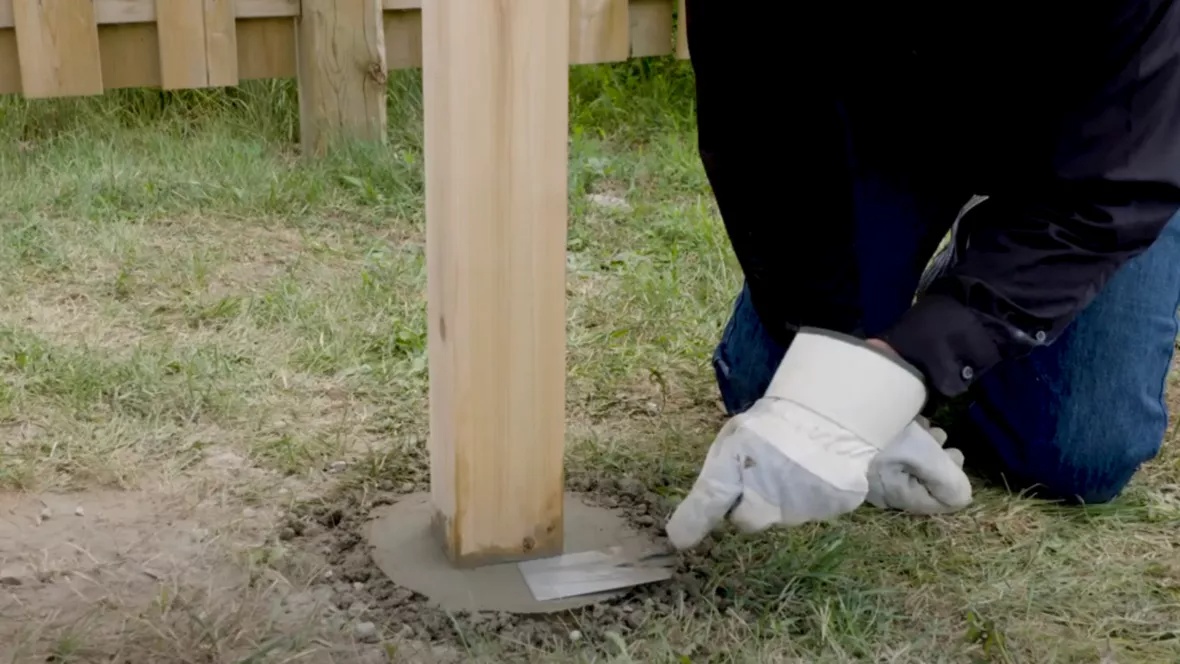
At Local Handyman Mid-South, we set fence posts in Memphis to stay upright through heavy rain, soft soil, and repeated storm cycles—not just to look straight on install day.
When Fence Post Setting Is the Real Fix
Most fence problems we see aren’t broken boards or bad rails. They start at the post. Gates stop latching, panels lean, and sections drift out of line because the post below ground has lost holding strength. In Memphis, once a post moves, everything attached to it follows.
Why Memphis Soil Works Against Fence Posts
Memphis sits on loess soil that absorbs water quickly and releases it slowly. After rain, that soil softens around posts, reducing resistance right where the post needs it most. As the ground dries, it shrinks unevenly, leaving small voids that allow the post to tilt under wind load. If the post wasn’t set deep enough or drained properly, it doesn’t recover.
What We Check Before Digging
Before setting a post, we look at:
Fence height and wind load
Soil condition and drainage
Existing grade and slope
Post spacing and gate weight
Whether the fence line crosses areas with different compaction
Skipping this assessment is how posts get set “by the book” and still fail here.
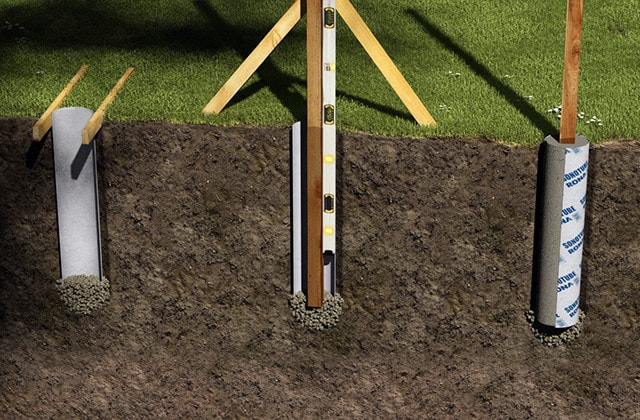
How We Set Fence Posts to Hold
This is the sequence our team at Local Handyman Mid-South follows:
Dig to Depth, Not Convenience
Holes are dug deep enough to resist overturning, not just to bury the post. Shallow holes are the number one reason fences lean.
Create a Drainage Base
We add a compacted gravel layer so water doesn’t sit against the bottom of the post. Standing moisture is what weakens posts over time.
Set the Post Plumb Under Load
Posts are braced and checked from multiple directions before concrete is placed. Once concrete sets, correction is no longer an option.
Concrete Placement That Locks, Not Floats
Concrete is placed to anchor the post while allowing water to shed away from it. Encasing a post without drainage often traps moisture instead of stopping movement.
Cure Before Loading
Posts aren’t loaded with rails or gates until the footing has set enough to resist movement. Rushing this step causes early drift.
Why Posts Fail Even With Concrete
Concrete alone doesn’t guarantee stability. Posts fail when:
Holes are too shallow
Soil stays wet with no drainage path
Posts are loaded before cure
Fence lines cross soft and firm soil zones
Wind load isn’t accounted for
In Memphis, water management matters as much as depth.
When Fence Post Work Exceeds Handyman Scope
Standard fence post setting and replacement typically stays within handyman work. If the project involves large retaining structures, engineered fencing, or extensive grading changes, it may require licensed work.
What a Properly Set Post Does Over Time
A correctly set post doesn’t need re-bracing after storms, doesn’t pull gates out of alignment, and doesn’t slowly drift year after year. The fence moves as one system instead of fighting itself.
Fence Post Setting — FAQs
Why do fence posts lean after rain in Memphis?
Because wet loess soil loses holding strength and allows posts to shift.
Is deeper always better for post holes?
Depth matters, but drainage and soil conditions matter just as much.
Does concrete stop posts from moving?
Only if the hole is deep enough and water can drain away from the post.
Can leaning posts be reset instead of replaced?
Often yes, if the post itself hasn’t rotted or cracked.
Why do gates fail before fence panels?
Gates apply concentrated load, which exposes weak post settings first.
How does Local Handyman Mid-South set posts differently?
We account for Memphis soil behavior, drainage, and wind load so posts stay put.
Related Guides You Might Find Helpful
Explains how soil moisture and post depth work against fence stability here.
What to Fix First After a Memphis Storm
Fence movement often starts during storms but shows up afterward.
Project: Fence Post Reset in Memphis
Shows what happens when posts are corrected before panels fail.


© copyright 2025 All Rights Reserved. Privacy | Terms and Conditions